Dear ELT 2 Students,
We are thrilled to announce an engaging and intellectually stimulating midterm project for our class: a debate competition! This is a fantastic opportunity for you to showcase your language skills, critical thinking, and persuasive abilities in a lively and dynamic setting.
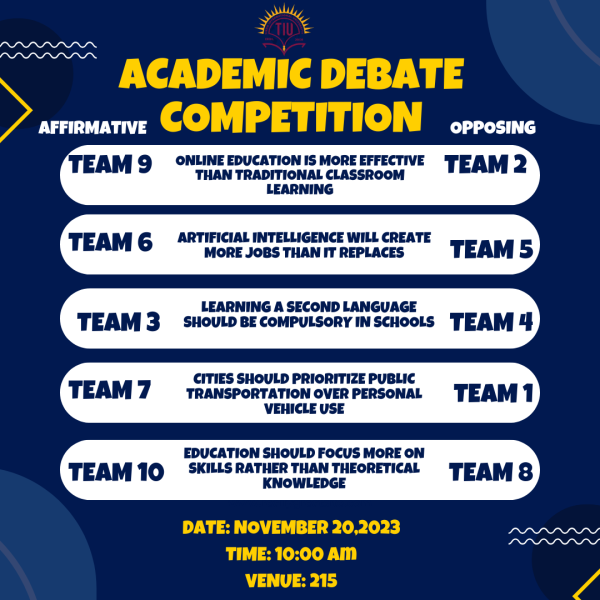
📅 Date: 20th November 2023
⏰ Time: 10:00 AM
📍 Venue: Room 215
This debate will not only be a platform for you to articulate your thoughts and arguments effectively but also a chance to listen, respond, and engage with diverse perspectives. It’s a perfect blend of learning, competition, and fun!
We encourage all ELT 2 students to participate with enthusiasm and bring their best to this debate. It’s not just about winning; it’s about learning, growing, and enjoying the process.
Looking forward to seeing your impressive debating skills in action!
Academic Debate Midterm Instructions
What You Need to Know
- Teams: 10 groups, each has 4 students.
- Talking Time: Each student talks for 2 minutes. Each group gets 1 extra minute to finish.
- Stay Until the End: Everyone must stay for all the debates. It’s part of your grade.
- Grades: You get your own grade, not a group grade.
Rules
- Who Talks When:
- First, someone from the “yes” team talks, then someone from the “no” team.
- This keeps going until everyone has talked.
- At the end, one person from each team talks for 1 minute to finish.
- How Long to Talk:
- You can talk for 2 minutes.
- Your group gets 1 more minute at the end.
- What to Say:
- Talk about things that are true and fit the topic.
- Be clear and try to make good points.
- Be nice and don’t say mean things.
- Be Nice:
- Always be nice to the other team and the judges.
- No yelling or saying bad things about others.
- Using Notes:
- Don’t read from your phone or tablet.
- You can have paper notes to help you remember.
- Grades:
- You need to be there for all the debates.
- Your grade is about how well you talk and make points.
- How We Decide Who Did Well:
- The judges look at what you say, how you say it, and how you work as a team.
- After Talking:
- Listen to others and be respectful.
- Join in if there’s a talk after the debates.
Tips
- Learn a lot about your topic.
- Practice talking for 2 minutes.
- Be clear and try to make good points.
- Think about what the other team might say.
- Work with your team to do well together.
Academic Debate Rubric for EFL Learners (CEFR A2-B1 Level)
Total Points: 100
- Each main section is worth 20 points.
- Each criterion within a section is worth 4 points.
- Content and Relevance (20 Points)
- Topic Relevance (4 Points): Directly addresses and stays relevant to the topic.
- Understanding of Subject (4 Points): Shows a clear understanding of the subject matter.
- Supporting Evidence (4 Points): Uses examples or evidence to support arguments.
- Depth of Content (4 Points): Provides depth and insight in arguments.
- Accuracy of Information (4 Points): Information presented is accurate and factual.
- Language Use and Vocabulary (20 Points)
- Grammar and Accuracy (4 Points): Uses grammatically correct sentences.
- Vocabulary Range (4 Points): Demonstrates a good range of vocabulary.
- Pronunciation and Clarity (4 Points): Speech is clear and easily understandable.
- Fluency (4 Points): Maintains a steady flow of speech.
- Language Complexity (4 Points): Attempts more complex sentence structures.
- Clarity and Structure of Arguments (20 Points)
- Logical Sequencing (4 Points): Ideas are presented in a logical order.
- Clarity of Points (4 Points): Arguments are expressed clearly and concisely.
- Linking of Ideas (4 Points): Effectively uses transitions to connect ideas.
- Focus on Topic (4 Points): Consistently maintains focus on the topic.
- Rebuttal Strength (4 Points): Effectively addresses and counters opposing views.
- Engagement and Interaction (20 Points)
- Active Participation (4 Points): Engages actively in the debate.
- Listening and Responding (4 Points): Shows good listening skills and responds appropriately.
- Respect for Others (4 Points): Demonstrates respect for other speakers.
- Collaboration with Team (4 Points): Works effectively with team members.
- Handling Counterarguments (4 Points): Skillfully handles counterarguments.
- Presentation Skills (20 Points)
- Eye Contact and Body Language (4 Points): Uses effective non-verbal communication.
- Voice Clarity and Modulation (4 Points): Voice is clear, well-modulated.
- Time Management (4 Points): Uses allotted time effectively.
- Audience Engagement (4 Points): Keeps the audience engaged.
- Confidence and Poise (4 Points): Presents with confidence and maintains composure.
Scoring Guide:
- 4 Points: Excellent – Exceeds expectations.
- 3 Points: Good – Meets expectations.
- 2 Points: Satisfactory – Meets some expectations.
- 1 Point: Needs Improvement – Below expectations.
- 0 Points: Not Demonstrated – The criterion was not demonstrated.
-
- Life Skills Project
-

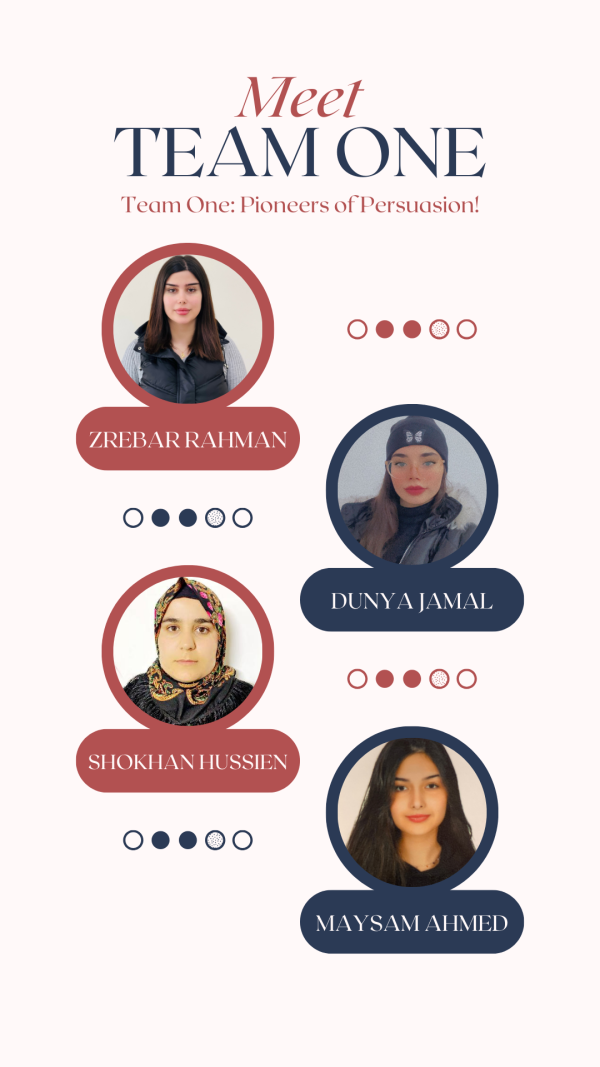
- Team 1
-
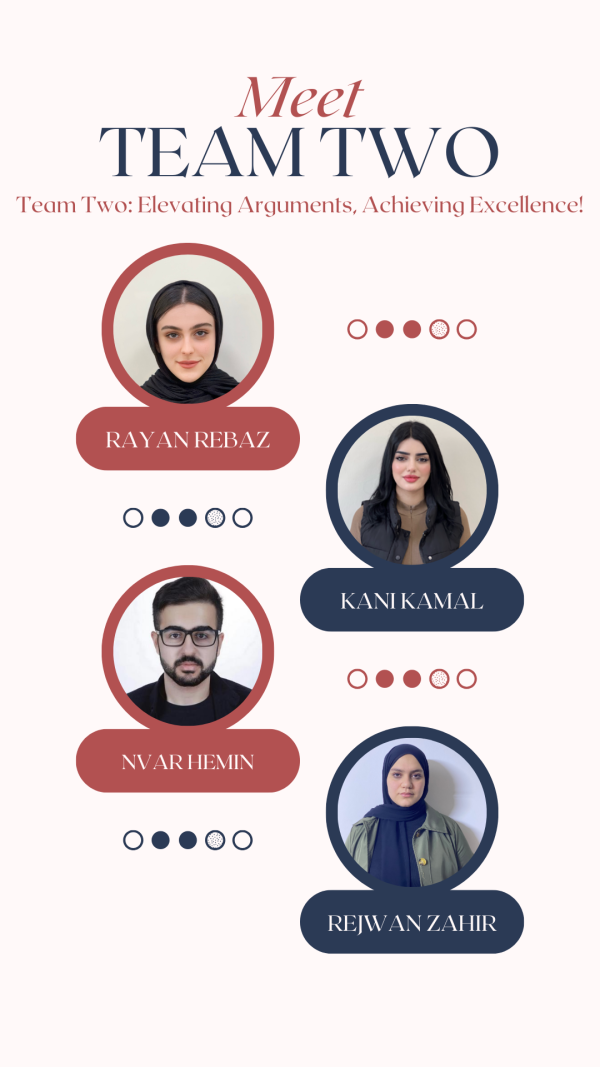
- Team 2
-
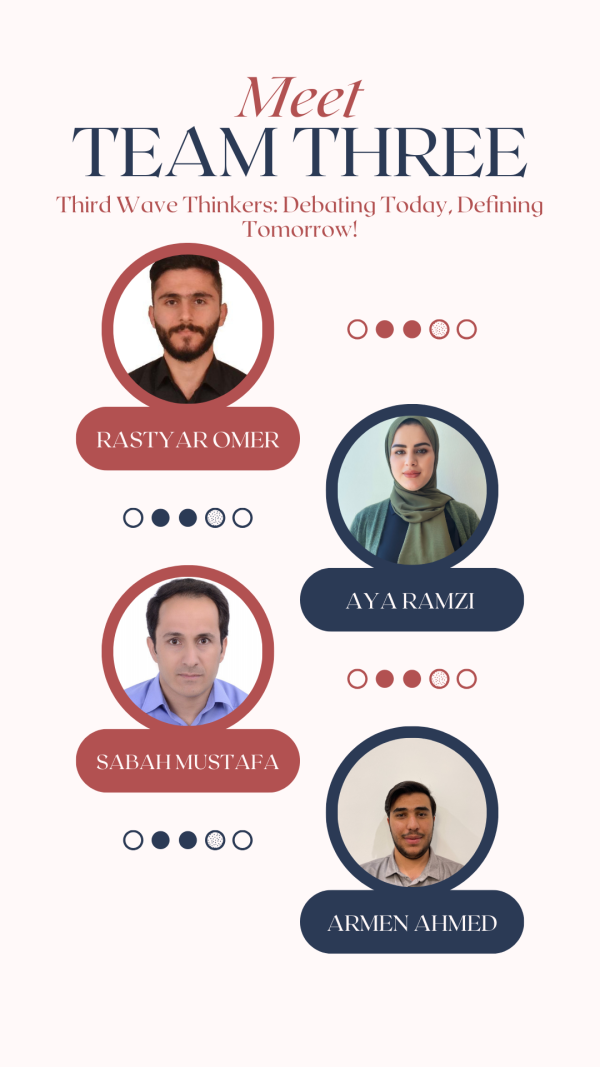
- Team 3
-
- Team 4

-
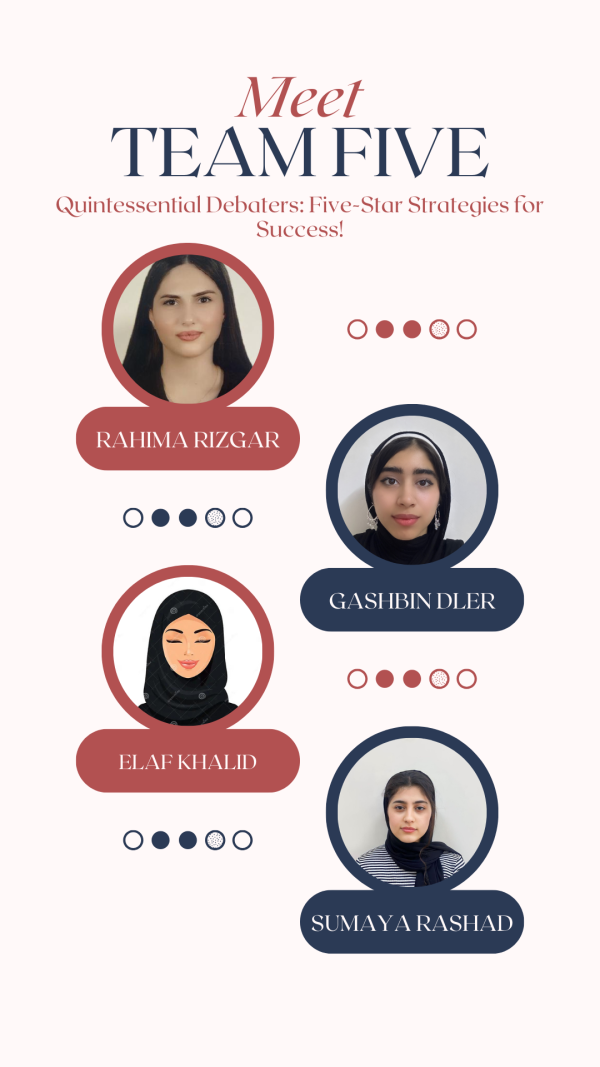
- Team 5
-
- Team 6

-
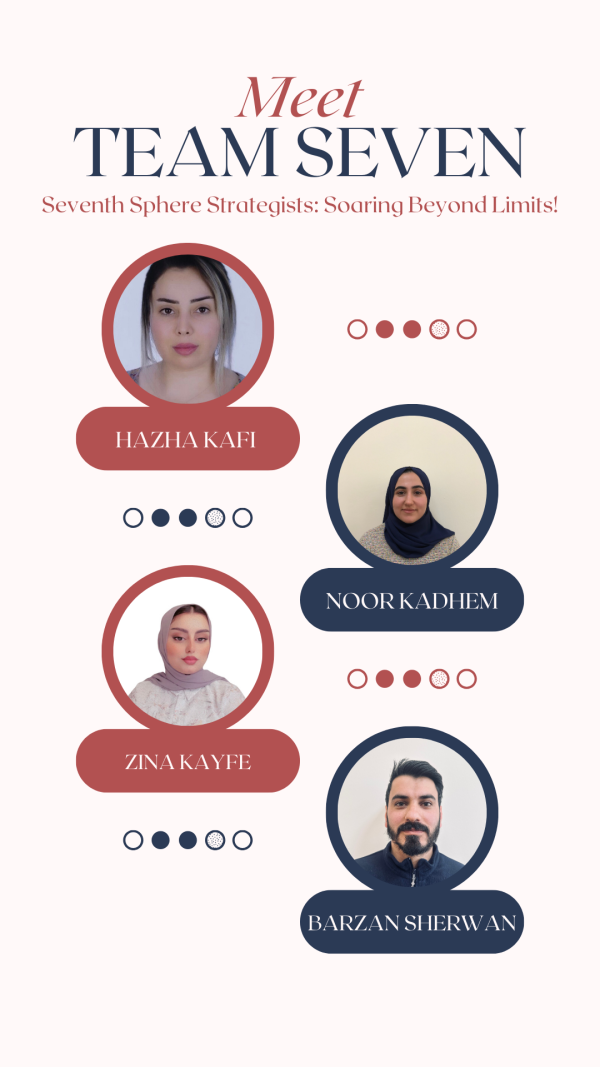
- Team 7
-
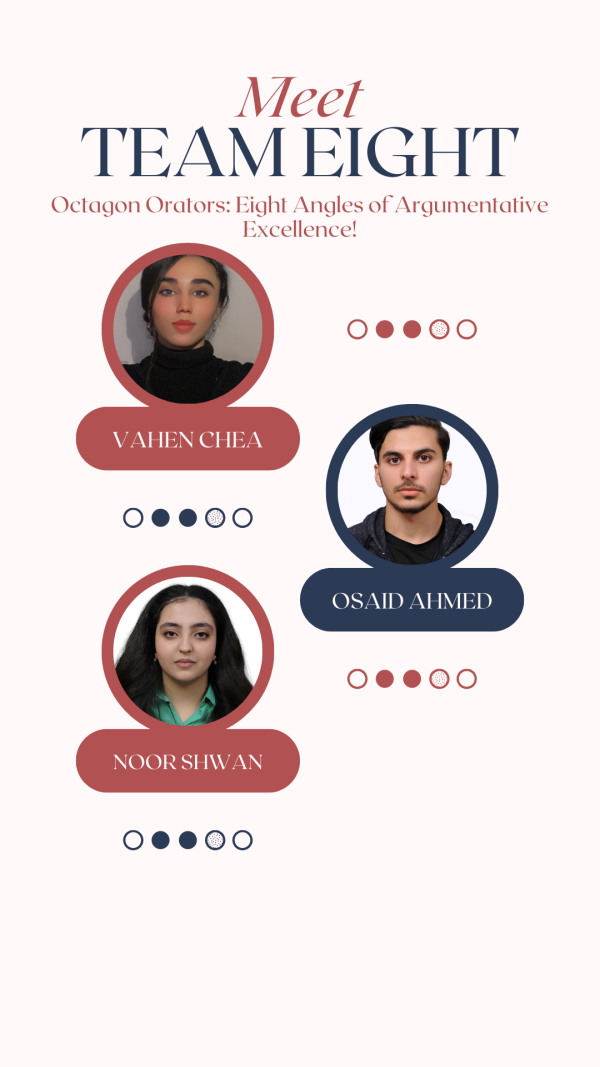
- Team 8
-
- Team 9

-
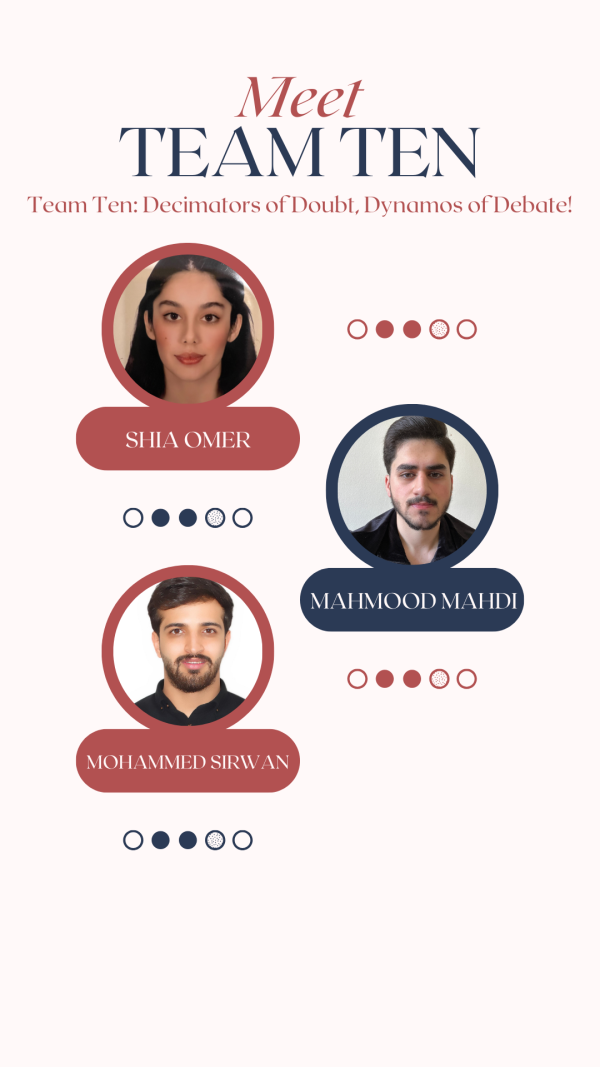
- Team 10