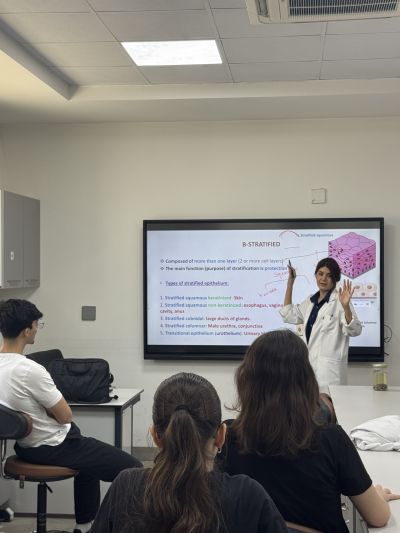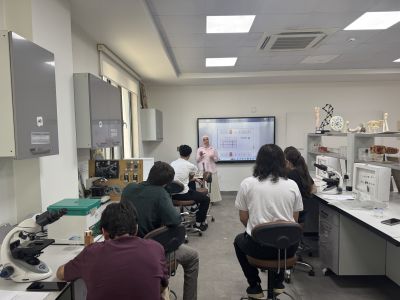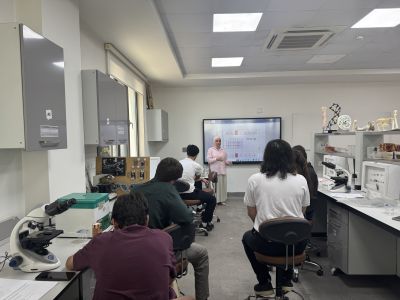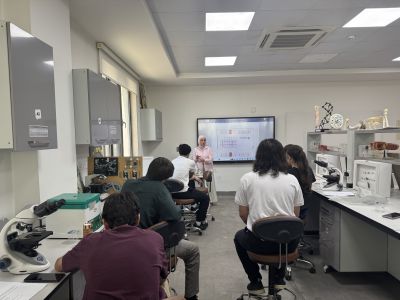
In line with the United Nations Sustainable Development Goals (SDG 4 – Quality Education and SDG 17 – Partnerships for the Goals), Tishk International University (TIU) proudly hosted the IBO 2026 Training Camp, an intensive practical training program designed to prepare outstanding students from Ronaky International School for participation in the International Biology Olympiad (IBO) 2026.
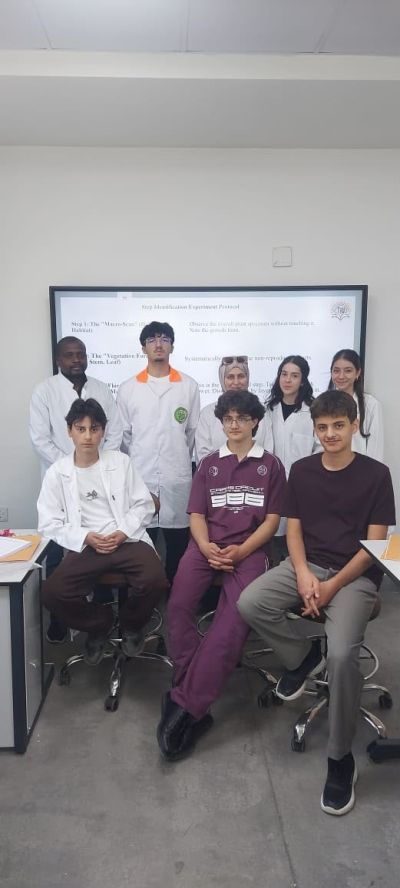
The training camp started on 22.6.2026 and ended on 2.7.2026. It was organized through the collaborative efforts of the Biology Education Department, Pharmacy Department, and Medical Analysis Department, demonstrating TIU’s commitment to fostering scientific excellence and strengthening partnerships among educational institutions. The participating students were accompanied by their teacher and supervisor, further reinforcing the strong educational collaboration between TIU and Ronaky International School.
The program was conducted under the academic supervision of Mr. Harmand A. Hama, Head of the Biology Education Department, and involved the contributions of experienced academic staff from multiple departments. The training curriculum was carefully designed in accordance with the practical requirements and laboratory skills emphasized in the International Biology Olympiad.
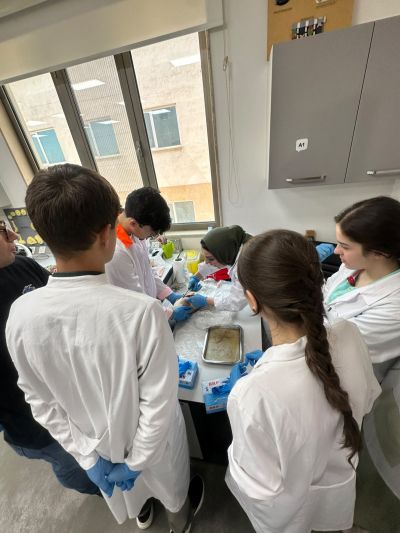
Throughout the training camp, students gained extensive hands-on experience in a variety of biological disciplines, including animal anatomy and physiology, plant sciences, biochemistry, molecular biology, and bioinformatics. The practical sessions enabled students to strengthen their laboratory competencies while enhancing their scientific reasoning and analytical skills.
The training activities included:
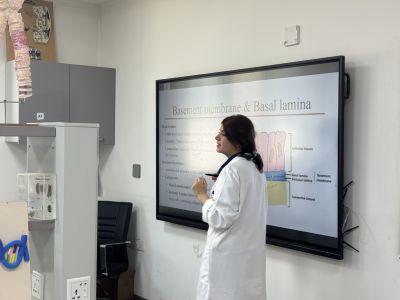
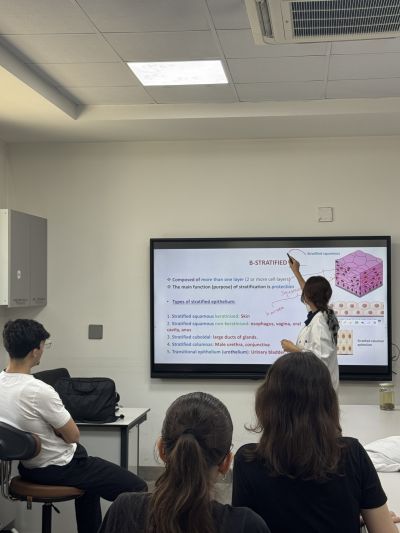
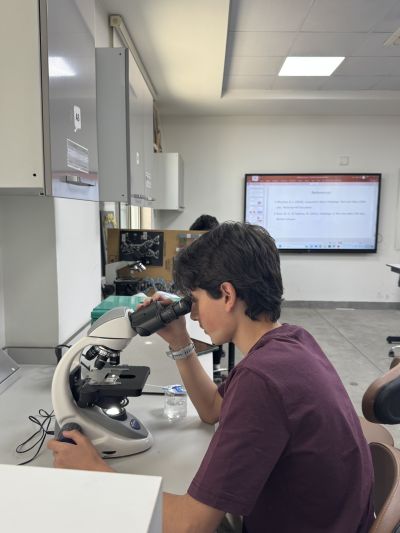
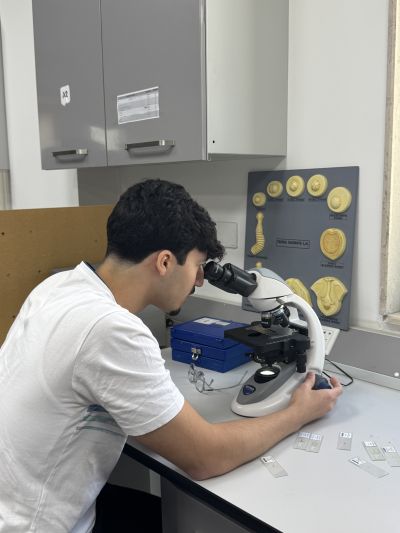
- Histological slide examination and tissue identification under the microscope.
- Measurement of physiological parameters such as heart rate in animal specimens.
- Dissection and anatomical study of invertebrates, including leeches and insect larvae, focusing on both external and internal structures.
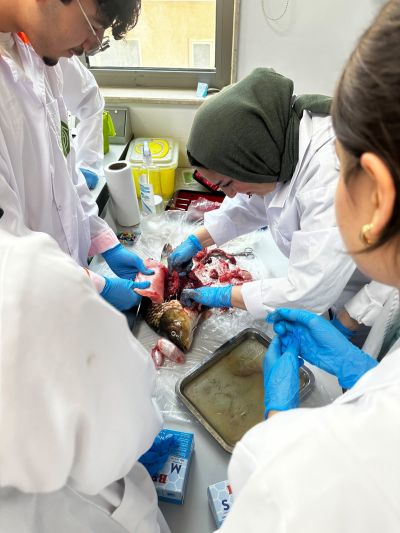
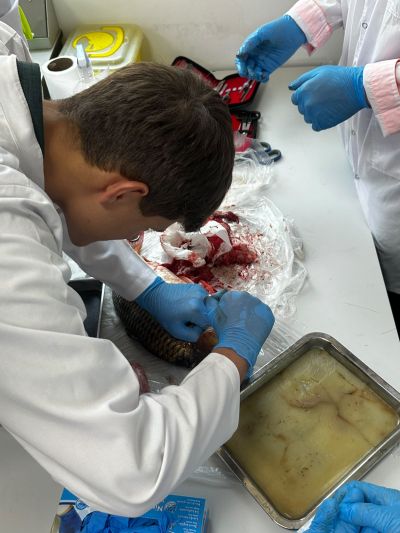
- Vertebrate dissections involving fish, frogs, sheep eyes, and chicken wing skeletal structures to develop comparative anatomical understanding.
- Preparation and microscopic examination of plant cross-sections, including roots, stems, and leaves.
- Plant morphology, taxonomy, and species identification using dichotomous keys and structured classification methods.
- Preparation of laboratory solutions, molecular calculations, and serial dilution techniques.
- Spectrophotometric analysis and absorbance measurements commonly used in biochemical investigations.
- Extraction of plant pigments and Thin Layer Chromatography (TLC), including calculation of retention factor (Rf) values.
- Biochemical assays for the detection of proteins, peptides, and carbohydrates using standard laboratory tests.
- Molecular biology techniques including micropipette handling, Polymerase Chain Reaction (PCR), and gel electrophoresis (AGE and PAGE).
- Analysis of restriction sites and interpretation of electrophoresis results in molecular genetics applications.
The multidisciplinary nature of the program allowed students to experience modern biological sciences from multiple perspectives, integrating theoretical knowledge with practical laboratory applications. By engaging with university laboratories and academic experts, participants developed a deeper understanding of experimental design, data interpretation, laboratory safety, and scientific communication.
Beyond technical training, the camp encouraged critical thinking, teamwork, problem-solving, and independent scientific inquiry—essential skills for success in international scientific competitions and future academic pursuits. The students demonstrated remarkable enthusiasm, curiosity, and dedication throughout the program, actively participating in all laboratory activities and discussions.
This initiative reflects TIU’s ongoing commitment to promoting high-quality science education and creating meaningful learning opportunities for talented young learners. By investing in future scientists and supporting their preparation for international competitions, the university continues to contribute to educational excellence and sustainable development.
Furthermore, the collaboration between Tishk International University and Ronaky International School serves as a strong example of SDG 17, highlighting how partnerships between educational institutions can create impactful and transformative learning experiences that benefit students and society alike.
Tishk International University extends its appreciation to all academic staff members, departments, and coordinators who contributed to the success of the IBO 2026 Training Camp and wishes the participating students every success in their future scientific endeavors and international competitions.
Keywords: International Biology Olympiad, IBO 2026, Tishk International University, Ronaky International School, Biology Education, Medical Analysis, Pharmacy, Laboratory Training, Scientific Education, SDG 4, SDG 17, STEM Education, Biology Olympiad, Practical Learning.