Building a Greener Future Through Education and Community Engagement
The Biology Education Department at Tishk International University successfully implemented the community service project, “Green Transformation: Empowering Communities Through Sustainable Waste Management Education,” over the period from 20 October 2025 to 14 May 2026. The project was designed to promote environmental sustainability, increase community awareness of responsible waste management, and encourage active citizenship through a range of educational and volunteer initiatives involving students, academic staff, schools, industry partners, and members of the local community.
Throughout the project, students had the opportunity to apply their academic knowledge beyond the classroom while making meaningful contributions to society. Through environmental education programs, school outreach activities, waste collection campaigns, and collaborations with various institutions, participants worked together to foster sustainable practices and support the development of a cleaner, healthier, and more environmentally responsible community.
Stage 1: Transforming School Environments Through Art and Volunteering
Painting and Educational Murals in Government Schools
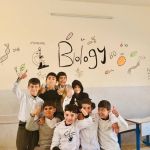
As part of the Green Transformation Community Service Project and our commitment to improving learning environments, second-stage students from the Biology Education Department participated in a voluntary initiative to renovate and beautify government schools across Erbil.
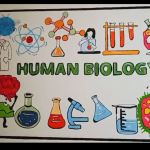
Students visited several schools to repaint classrooms and create educational murals, artwork, and visual learning materials on school walls and corridors. This initiative aimed to enhance school environments, create more welcoming spaces for children, and strengthen the relationship between the university and the local community.
The project also encouraged students to develop teamwork, leadership, and social responsibility skills while contributing to public service.
Participating Schools
- Sarsang School
- Hemin Primary School
- Mamosta Samir School
- Mariam Alttahira Public School for Girls
- Karezan School
The project reflected the department’s commitment to community engagement and social responsibility while providing university students with opportunities to contribute directly to public service. Through teamwork and volunteerism, students helped improve school facilities while strengthening the relationship between the university and local schools.
The activities were successfully organized under the supervision of Mrs. Sawsan Hameed, whose guidance and support ensured effective implementation.
Student Volunteers
Group 1
- Alan Abdulrahman
- Lana Farhad
- Salwa Aras
Group 2
- Rozhgar Ahmed
Group 3
- Diya Miqdad
- Parez Khidhir
- Tarza Faisal
Group 4
- Sidra Hashim
- Ruqaya Hashim
Group 5
- Tara Ali
- Zheran Abdullah
Stage 2: Strengthening Sustainability Through Industry Collaboration
Partnership Development with Waste Tech Company
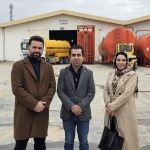
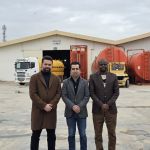
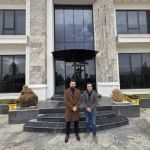
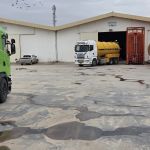
Recognizing the importance of sustainable waste management and institutional responsibility, representatives from Tishk International University visited Waste Tech Company on February 2, 2026, to explore opportunities for strategic collaboration in recycling and environmental sustainability.
University Delegation
- Mr. Harmand Ali Hama
- Dr. Abdulrahman Mahmood
- Mrs. Sawsan S. Hameed
During the meeting, both parties discussed opportunities to establish a structured recycling system for paper and plastic waste generated on campus and to strengthen environmental awareness among students and staff.
Key Objectives
- Establish an organized paper and plastic recycling program.
- Reduce the environmental footprint of the university.
- Promote responsible waste management practices.
- Support local recycling initiatives through a reliable supply of recyclable materials.
- Create environmental and economic benefits for both partners.
- Increase sustainability awareness within the university and wider community.
The meeting concluded with positive discussions regarding future cooperation, including site assessments, coordination meetings, and the development of a framework for long-term collaboration.
Stage 3: Environmental Field Trip and Community Clean-Up Campaign
Promoting Environmental Responsibility at Shex Turab
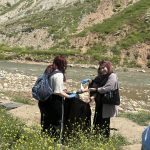
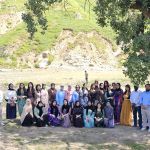
On May 15, 2026, second-stage students from the Biology Education Department participated in an environmental awareness field trip to Shex Turab under the supervision of:
- Mrs. Sawsan Hameed
- Dr. Abdulrahman Dogara
- Mr. Shnyar Qadir
- Mr. Dana
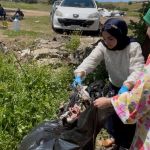
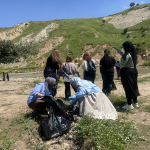
The field activity focused on educating visitors about proper waste management practices and encouraging responsible environmental behavior. Students actively engaged with members of the public, distributed disposable waste bags, and explained the importance of proper waste disposal in preserving natural landscapes.
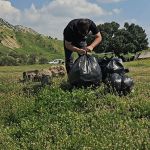
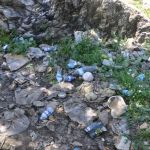
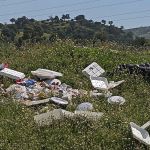
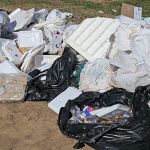
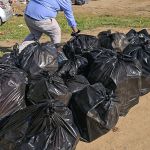
In addition, students conducted a clean-up campaign by collecting litter and removing plastic waste from the area. Their efforts contributed to maintaining the beauty of the site while supporting local waste management services.
This activity successfully combined environmental education, volunteerism, and practical action, demonstrating the role of young people in promoting sustainability and protecting natural resources.
Stage 4: School Awareness Campaigns and Community Health Education
Educating Future Generations About Waste Management and Disease Prevention
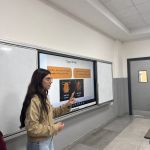
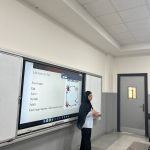
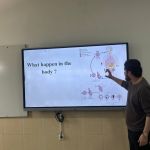
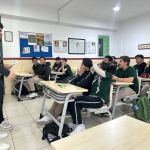
As part of the project’s educational outreach activities, third-stage students from the Biology Education Department conducted visits to primary and secondary schools across Erbil.
During these visits, students delivered seminars and awareness sessions focusing on the relationship between improper waste disposal and the spread of diseases within communities.
Objectives of the Initiative
- Increase awareness of public health risks associated with poor waste management.
- Promote environmentally responsible behaviors among school students.
- Encourage sustainable waste disposal practices.
- Support the development of healthier and cleaner communities.
To ensure accessibility and engagement, presentations were delivered in both English and Kurdish and tailored to different age groups, ranging from primary school pupils to Year 11 secondary students.
One of the most successful components of the campaign was the use of a comic theatrical performance, where university students and school pupils participated together in a humorous and interactive play demonstrating the consequences of improper waste disposal. The activity created an enjoyable learning experience while reinforcing important environmental messages.
Project Impact and Outcomes
Throughout the academic year, the Green Transformation Project demonstrated the power of education, collaboration, and community service in addressing environmental challenges. The project successfully:
- Enhanced school learning environments through painting and educational artwork.
- Strengthened university–industry partnerships in support of recycling and sustainability initiatives.
- Increased public awareness regarding environmental protection and responsible waste management.
- Engaged students in practical volunteer activities that developed leadership, teamwork, and communication skills.
- Promoted cleaner public spaces through environmental clean-up campaigns.
- Educated school students about the links between waste management, public health, and sustainable community development.
A Shared Commitment to Sustainability
The Biology Education Department extends its sincere appreciation to all students, academic staff, participating schools, community members, and partner organizations who contributed to the success of this project.
Through collective effort and community engagement, the Green Transformation Project has demonstrated how education can inspire positive environmental action and contribute to building a cleaner, healthier, and more sustainable future for our communities.