
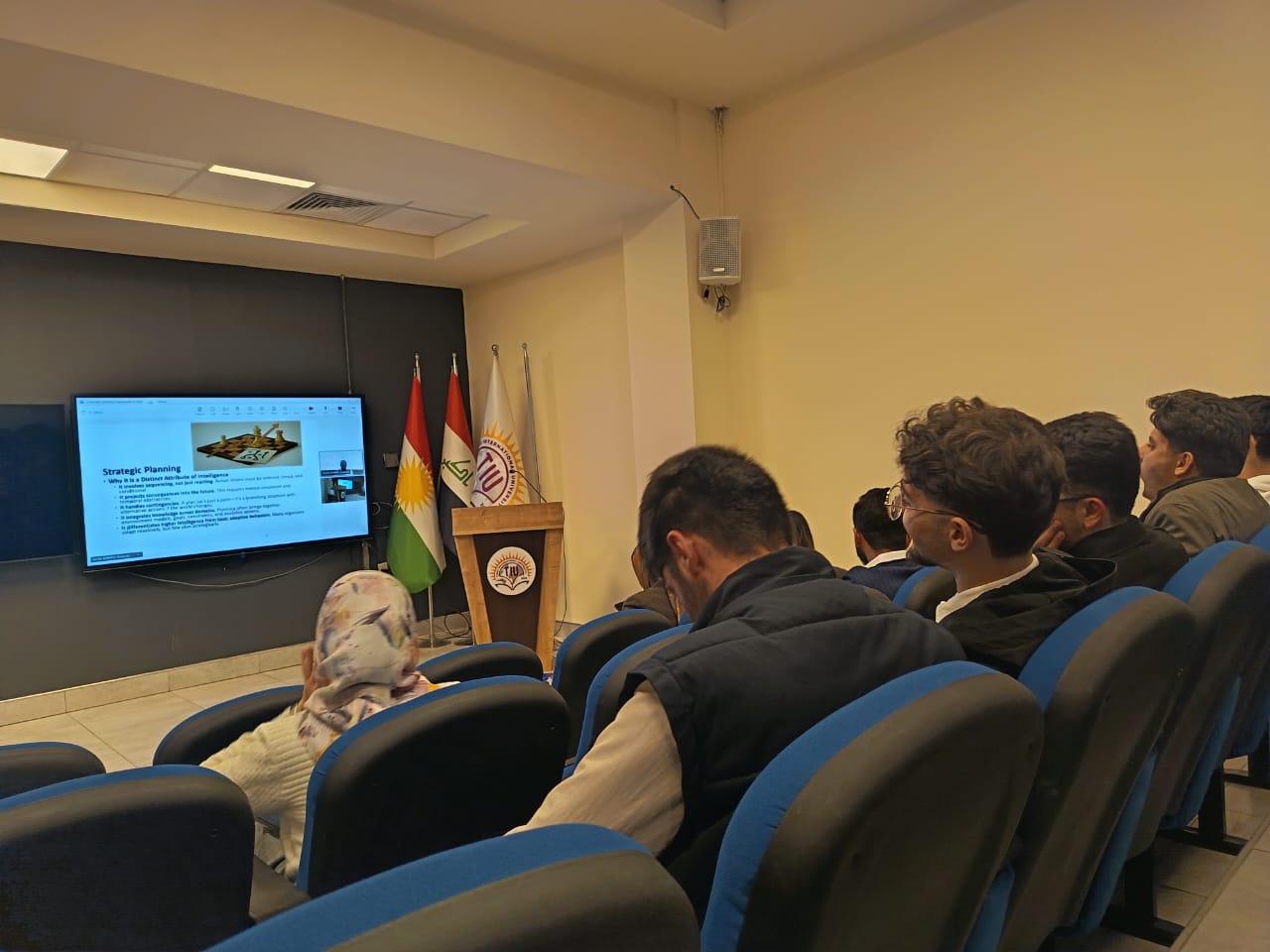
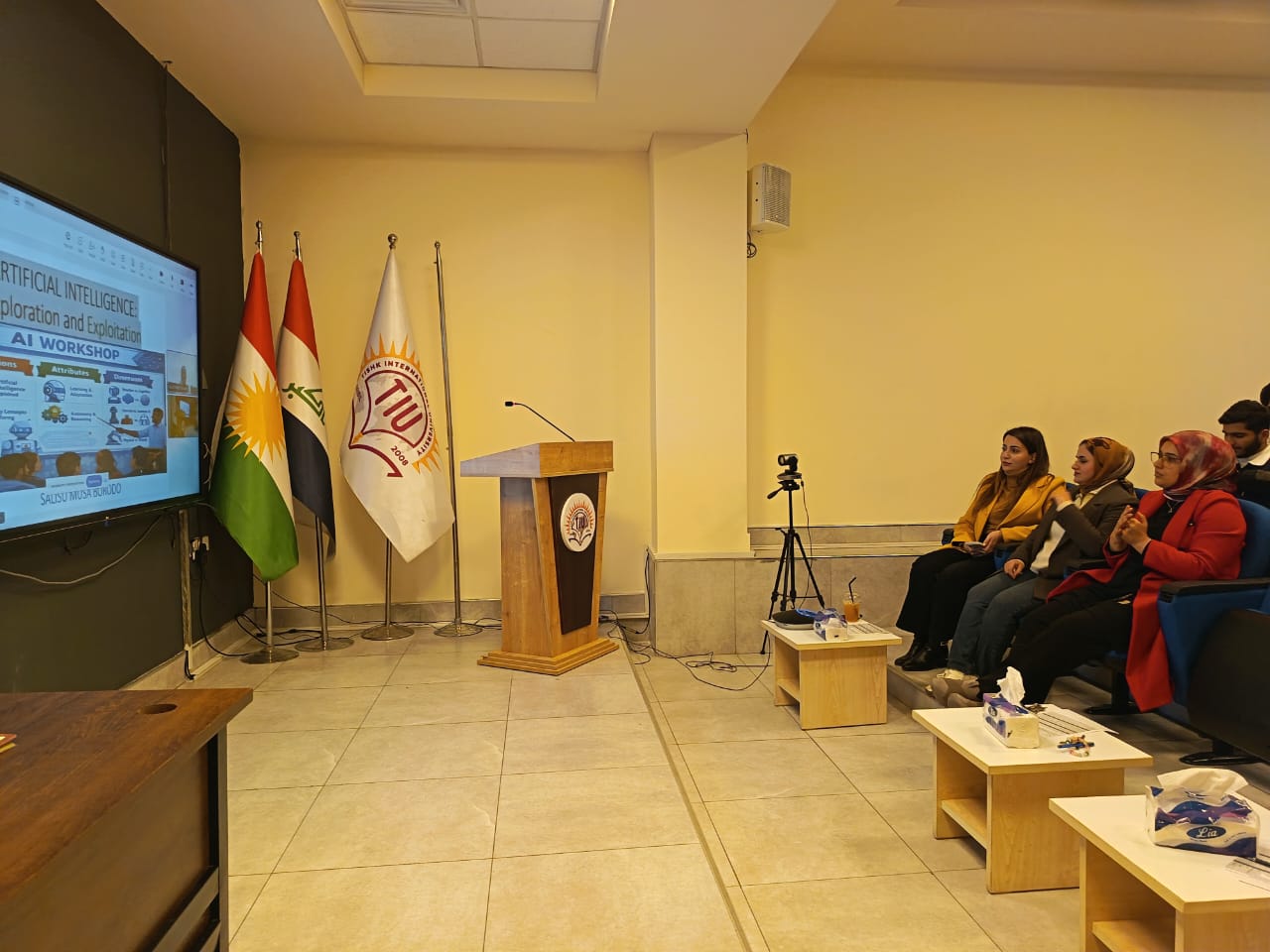
On January 8, 2026, the Computer Education Department from the Faculty of Education at Tishk International University successfully conducted a national workshop titled “Enhancing Teaching Practice: Bloom’s Taxonomy & the Danielson Framework.” The workshop focused on strengthening teaching and learning practices through well-established educational frameworks that support effective instruction, assessment, and student engagement.
The workshop was presented by Dr. Cagri Tugrul Mart, who delivered an insightful session entitled “Comparing Bloom’s Taxonomy and the Danielson Framework: Implications for Teaching and Learning.” The session emphasized the importance of structured pedagogy and reflective teaching practice in modern education.

Understanding Bloom’s Taxonomy
Dr. Mart explained how Bloom’s Taxonomy supports:
| Focus Area | Description |
|---|---|
| Cognitive development | Building higher-order thinking skills |
| Progressive learning outcomes | Structuring learning from basic to advanced levels |
| Assessment alignment | Matching objectives with evaluation methods |
Understanding the Danielson Framework
He also explored how the Danielson Framework enhances instructional quality through:
| Component | Focus |
|---|---|
| Professional responsibility | Teacher reflection and growth |
| Classroom management | Creating productive learning environments |
| Instructional design | Planning effective lessons and activities |
These comparisons helped participants better understand how both frameworks can be integrated to improve teaching effectiveness.
Reflective Teaching and Assessment
The workshop encouraged participants to reflect on their own teaching strategies. Practical examples and academic discussion highlighted how:
| Practice | Benefit |
|---|---|
| Structured learning objectives | Clear goals for student achievement |
| Evaluation methods | Measuring learning outcomes effectively |
| Thoughtful assessment | Supporting equity and continuous improvement |
These approaches contribute to:
-
Student motivation and engagement
-
Inclusion in diverse classrooms
-
Academic growth for all learners
Interactive Professional Dialogue
The interactive nature of the workshop promoted:
| Activity | Purpose |
|---|---|
| Knowledge sharing | Exchanging best practices among educators |
| Professional dialogue | Discussing classroom challenges and solutions |
| Collaborative learning | Building a supportive teaching community |
Participants actively engaged in discussions about:
-
Classroom practice and real-world applications
-
Instructional planning for effective teaching
-
Learning assessment and feedback methods
TIU Commitment to Quality Education
Overall, the national workshop reinforced TIU’s commitment to:
-
Quality education through evidence-based practices
-
Professional development for academic staff
-
Sustainable teaching practices that benefit students
Events like this play a vital role in:
-
Enhancing educational standards in higher education
-
Supporting lifelong learning among academic staff
-
Fostering innovation in teaching methodologies
Keywords: Bloom’s Taxonomy, Danielson Framework, Teaching Practice, Instructional Design, Cognitive Development, Classroom Management, Professional Development, Reflective Teaching, Student Engagement, Quality Education, Computer Education Department, TIU Faculty of Education, Dr. Cagri Tugrul Mart, National Workshop


YouTube